
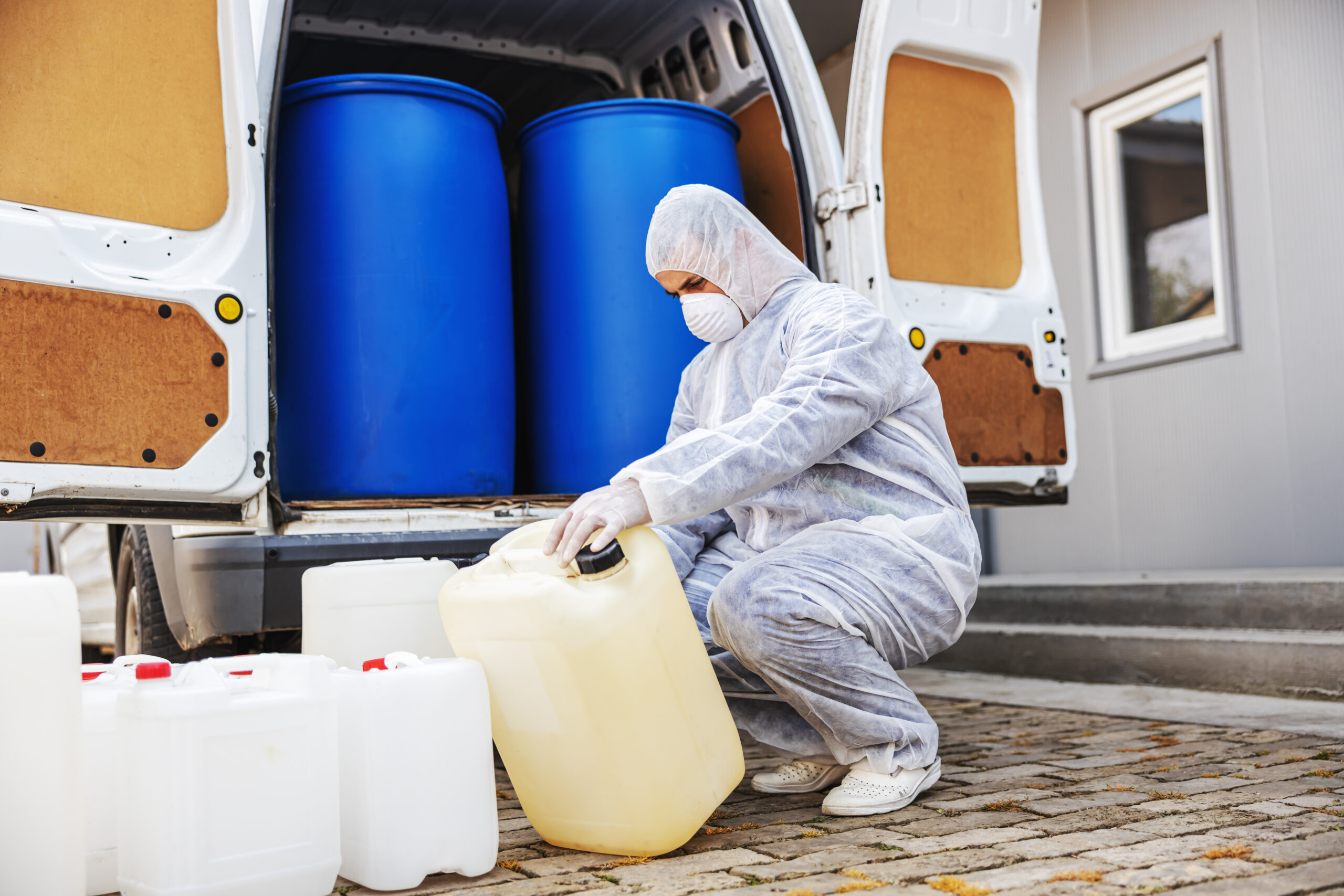
Rust is a major problem that gradually eats up metal and shortens its lifespan. It is a source of trouble for machines, tools, and various kinds of metal structures. A rust remover chemical is the right solution to getting rid of rust and making a metal regain its original strength. Such substances are powerful and penetrating. They also need careful handling.
Unsafe use can cause skin burns, eye damage, or breathing trouble. It can also harm metal surfaces. This guide explains safe usage steps for rust removal chemicals. It helps protect people, property, and work areas.
Why Safety Is Important When Using a Rust Remover
A rust remover reacts with iron oxide. This reaction breaks rust and loosens it from the metal. The same reaction can harm the skin or eyes. Vapors can irritate the lungs in closed spaces. Even short exposure can cause problems. Long exposure increases damage risk. Safety steps reduce accidents and improve cleaning results.
Common Types of Rust Remover Chemicals
Rust removers differ in strength and use. Each type needs different care.
Acid-Based Rust Removers
These products remove heavy rust quickly. They are strong and act fast. Overuse can damage metal and skin.
Chelating Rust Removers
These bind rust and lift it slowly. So it is safer for surfaces. They still require gloves and eye protection.
Solvent-Based Rust Removers
These are common in factories. They may release fumes. Proper airflow is required during use.
Each industrial rust remover must be handled based on its chemical type.
Safety Steps Before Using Rust Remover Products
Read Product Instructions
Always read the label before use. It explains mixing levels, contact time, and safety warnings. Never skip this step.
Wear Proper Safety Gear
Protective gear reduces direct exposure.
Use:
- Chemical-resistant gloves
- Safety goggles
- Long sleeve clothing
- Masks when fumes are present
Never assume short contact is safe.
Prepare the Work Area
Clear the space before starting. Remove food and drinks. Keep children and pets away. Ensure good air flow.
Safe Use During Rust Removal
Apply Only What Is Needed
Using more product increases risk. It does not improve results. Follow the recommended amount.
Use Proper Tools
Apply using brushes or spray tools. Avoid direct hand contact. Do not splash chemicals.
Control Contact Time
Leaving chemicals too long can weaken metal. It can also increase vapor release.
Do Not Mix Chemicals
Never mix rust removers with cleaners or solvents. Mixing can release harmful gases.
Extra Safety When Using Industrial Rust Remover
Industrial products are more concentrated. They are designed for trained use only.
Required Safety Actions
- Train workers before use
- Display warning signs
- Keep spill kits ready
- Install eye wash stations
An industrial rust remover must be used under controlled conditions.
Safe Storage of Rust Remover
Keep Products in Original Containers
Original containers include labels and safety data. Never store chemicals in unmarked bottles.
Store Away From Heat
Heat can increase pressure inside containers. Store in cool and shaded places.
Restrict Access
Only trained staff should access chemical storage. Lock storage rooms when possible. Proper storage reduces spills and misuse.
Proper Disposal and Environmental Care
Chemical disposal needs care. Wrong disposal harms the environment and breaks safety rules.
- Never pour chemicals into drains
- Neutralize acids if advised
- Use approved waste containers
- Hire licensed waste handlers for large volumes
A reliable rust remover supplier in the UAE will guide safe disposal methods.
Choosing the Right Rust Remover Supplier
Product safety starts with the supplier. A trusted rust remover supplier supports safe use.
What a Reliable Supplier Provides
- Clear safety data sheets
- Proper usage instructions
- Consistent product quality
- Technical guidance
Why Supplier Choice Matters
Low-quality products increase risk. A professional rust remover supplier ensures safer handling and better performance.
Working with a rust remover supplier in the UAE also ensures local safety compliance.
Emergency Response and First Aid
Quick action limits damage during accidents.
Skin Contact
Rinse skin with clean water immediately. Remove affected clothing. Seek medical help if irritation continues.
Eye Contact
Flush eyes with water for 15 minutes. Keep eyes open. Get medical help quickly.
Inhalation
Move to fresh air at once. Sit upright. Seek help if breathing remains difficult. Post emergency steps near work areas.
Training and Safety Awareness
Safety depends on people and habits.
- Train staff regularly
- Review safety steps often
- Display warning signs
- Update safety sheets
Trained workers reduce accidents and downtime.
Common Mistakes to Avoid
Many risks come from small errors.
- Skipping gloves
- Using excess chemicals
- Ignoring ventilation
- Allowing untrained use
- Poor storage habits
Avoiding these mistakes improves safety and results.
Conclusion
Rust removal chemicals are effective when proper usage is followed. Safety requirements must be there to secure the workers and the machinery. Wearing proper attire while dealing with remover chemicals, following the instructions given, keeping the product in a safe place, and packing it properly for transportation are some of the very important points in the process. The right supplier will thus not only add safety to the process but also improve efficiency. Chemway Chemicals delivers rust removal safety with quality products and clear handling guidance.
Frequently Asked Questions (FAQs)
1. Is a rust remover chemical safe to use?
Yes, it can be used safely if directions and safety gear are followed.
2. Can industrial rust remover damage metal?
Yes, misuse or long contact time can weaken metal surfaces.
3. Is ventilation required during rust removal?
Yes, airflow reduces fumes and protects breathing.
4. Why choose a professional rust remover supplier?
Professional suppliers provide safety data and usage support.
5. Are rust remover chemicals eco-friendly?
Some are safer, but disposal must follow approved rules.
