
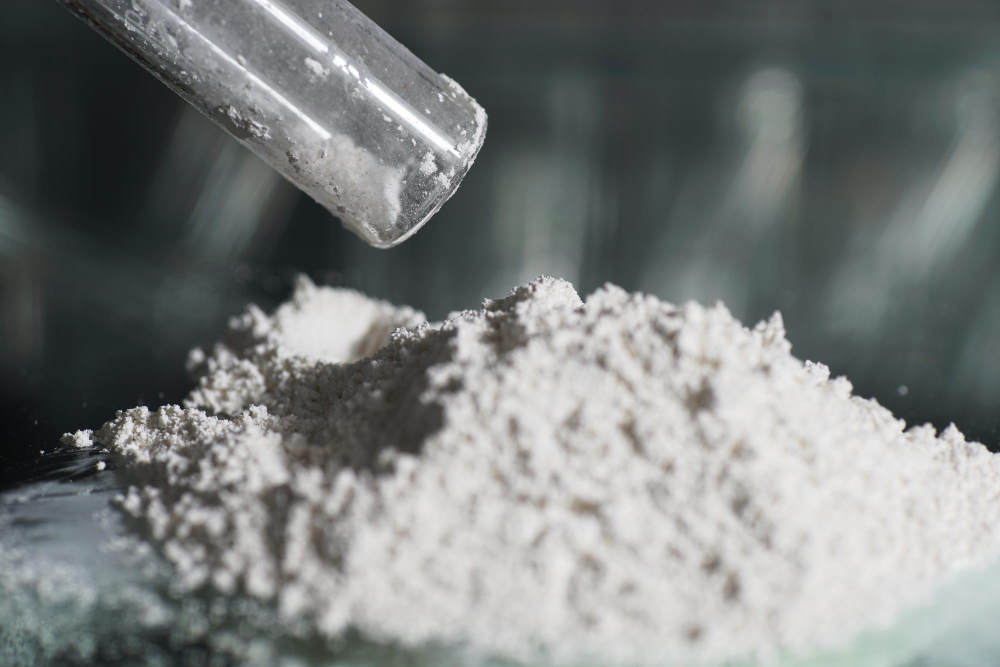
Calcium hypochlorite is a trusted chemical used for water cleaning and sanitation. It is known for strong chlorine release and reliable results. Many industries depend on it. Some examples are drinking water plants, swimming pools, factories, and emergency teams. It is essential to pick the right grade. Using the wrong grade can lead to wastage of money, less effectiveness, or even safety problems. The guide breaks down grades, applications and helps you choose correctly.
What Calcium Hypochlorite Does
When calcium hypochlorite is mixed with water, it releases chlorine. Chlorine is an effective sanitizer that can kill germs, bacteria, and algae. It also removes bad smells. The strength depends on the available chlorine content. Grades differ by strength, purity, and form. These differences decide where each grade works best.
Why the Right Grade Is Important
Each use has precise needs. Drinking water needs high purity. Pools need slow and steady chlorine. Factories need bulk treatment at a lower cost. Using one grade for all needs does not work well. Correct selection improves safety, saves money, and gives steady results.
Types of Calcium Hypochlorite Grades
High-Test Calcium Hypochlorite
This grade has high chlorine content. It often ranges between 65% and 70%.
Common uses
- Drinking water treatment
- Emergency water disinfection
- Rural water systems
Key points
- Strong chlorine release
- Less product needed per dose
- Longer shelf life when stored well
Things to note
- Needs careful handling
- Accurate dosing is required
Pool Grade Calcium Hypochlorite
This grade is made for swimming pools and spas. It keeps the water clear and safe.
Common uses
- Residential pools
- Commercial pools
- Water parks
Key points
- Easy to apply
- Stable chlorine output
- Controls algae and germs
Things to note
- Not ideal for drinking water
- Often has pool-safe additives
Industrial Grade Calcium Hypochlorite
This grade suits factories and large systems. It focuses on volume and cost.
Common uses
- Effluent treatment
- Cooling towers
- Process water systems
Key points
- Works well in large setups
- Cost-effective for bulk use
Things to note
- Purity may be lower
- Not for human consumption water
Granules vs Tablets
Form matters as much as grade.
Granules
- Dissolve fast
- Good for shock treatment
- Useful for quick results
Tablets
- Dissolve slowly
- Best for steady chlorine levels
- Ideal for pools and feeders
Choose the form based on your dosing method.
How to Choose the Right Grade
Purpose of Use
Start with your exact need. Drinking water needs high purity. Pools need steady control. Industry needs volume and strength balance.
Available Chlorine Level
Higher chlorine means more decisive action. It also means careful handling. Choose a strength that fits your system.
Storage Conditions
Calcium hypochlorite reacts to heat and moisture. Strong grades need better storage. Check your storage space before buying.
Safety Handling
All grades need care. Higher grades need trained staff and safety tools. Match grade to your team’s skill level.
Compliance Needs
Some uses need test reports and batch records. Check local rules before purchase.
Understanding Calcium Hypochlorite Price
Calcium hypochlorite price should not be judged by bag cost alone. Compare the cost per chlorine unit. Stronger grades may cost more per bag. They often cost less per treatment. Transport, storage loss, and dose size also matter.
Bulk buyers often save more with long-term supply plans.
Choosing the Right Calcium Hypochlorite Supplier
A trusted calcium hypochlorite supplier ensures steady quality. Look for clear labels and safety data. Good suppliers give storage and usage support. They also ensure safe packing and timely delivery.
For regional buyers, working with a calcium hypochlorite supplier in UAE helps reduce delays and supports local standards. This local presence improves supply reliability.
Dosing and Use Tips
Correct dosing is key. Too little reduces the effect. Too much waste product and risks to safety.
- Measure doses carefully
- Dissolve granules before use when needed
- Monitor chlorine levels often
- Adjust based on water quality
Routine checks keep systems safe and stable.
Environmental Care
Proper use reduces waste. Correct dosing limits chlorine loss. Dispose of empty containers safely. Follow local disposal rules to protect water and soil.
Common Mistakes to Avoid
- Mixing with other chemicals
- Storing near heat sources
- Guessing doses without testing
- Using pool grade for drinking water
Avoiding these mistakes improves safety and results.
Final Selection Checklist
Before buying, ask these questions:
- What is the exact use?
- What chlorine strength is needed?
- Do I have safe storage space?
- Is the supplier reliable?
- Does it meet local rules?
Clear answers lead to the right choice.
Conclusion
Selecting the appropriate grade of calcium hypochlorite will help you have safe water as well as clean systems. Besides, it results in good performance and saves you a lot of money over time. For excellent quality, expert advice, and an uninterrupted supply, team up with Chemway Chemicals, a well-established name in the chemical supply industry.
Frequently Asked Questions (FAQs)
1. Which grade of calcium hypochlorite is best for drinking water treatment?
Usually, high-test calcium hypochlorite is the source of chlorine in drinking water. Correct dose and quality check are significant.
2. Can pool-grade calcium hypochlorite be used for industrial purposes?
Pool grade is designed for controlled chlorine release. Industrial systems usually need bulk-focused grades.
3. How should calcium hypochlorite be stored safely?
Store it away from heat, moisture, and contamination in a fresh, dry, and ventilated room.
4. Does higher available chlorine mean better results?
Higher chlorine means stronger disinfection power. It also needs careful handling and accurate dosing.
5. What factors affect calcium hypochlorite price?
Price depends on chlorine strength, packaging, and order volume. Transport and storage conditions also affect cost.
