
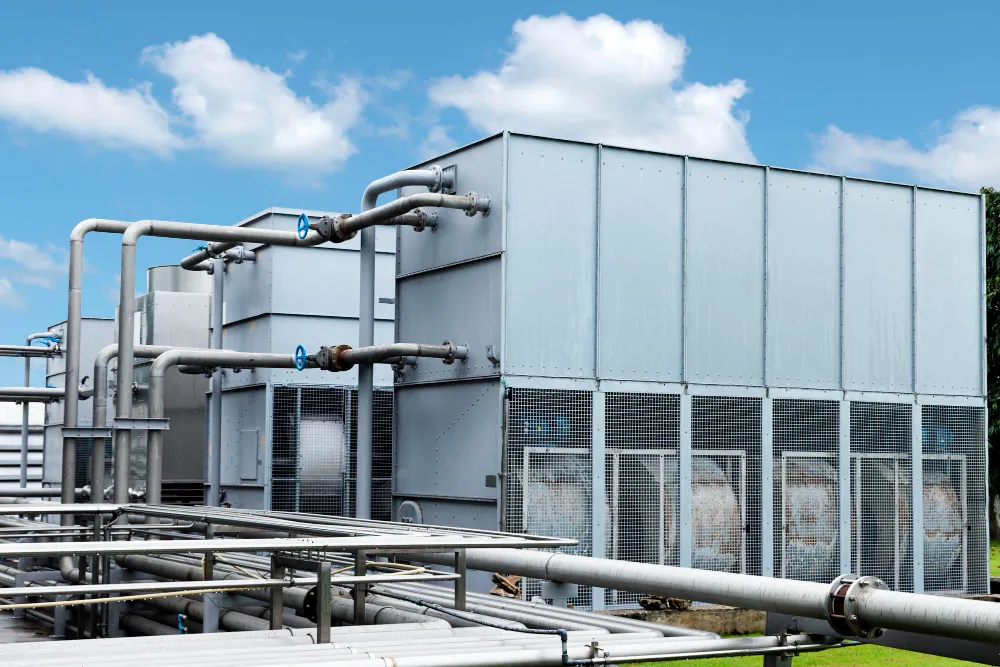
Every industrial facility faces a silent, expensive enemy hiding right inside its cooling infrastructure. Scaling, corrosion, and biological growth work constantly to degrade your equipment. Using advanced cooling tower chemicals is the most effective way to eliminate these hidden threats completely.
For industries operating heavy machinery, maintaining peak cooling efficiency is an absolute necessity. Implementing a regular regimen of high-quality cooling tower water treatment prevents these mineral deposits from taking over.
By taking control of your water quality, you protect your machinery. You also extend the lifespan of your equipment and significantly lower your monthly maintenance expenses.
Comprehensive Strategies for Industrial Cooling Systems
For effective management of large thermal equipment, multiple layers of water chemistry are essential. Industrial cooling systems need a correct chemical dosage that is specifically adapted to the nature of the local source water. A fundamental water analysis is performed, which identifies the concentration.
This data allows engineers to formulate a clear defensive treatment plan. To keep these complex setups running reliably day after day, facilities must deploy a combination of specialized chemical agents:
Scale inhibitors: These compounds keep minerals suspended in the water so they cannot bond to hot metal surfaces.
Corrosion Inhibitors: These formulas create a microscopic protective barrier over internal metal surfaces to block oxygen damage.
Oxidizing Biocides: Fast-acting chemicals like chlorine rapidly destroy algae and bacteria to prevent thick slime layers.
Non-Oxidizing Biocides: These targeted compounds penetrate deep into existing slime layers to clean out stubborn biological colonies.
Dispersants: These additives break up loose mud and silt so the filtration system can flush them out easily.
Advanced Cooling Tower Water Treatment Protocols
To maximize system longevity, operations must look beyond basic filtration. Plant managers focus heavily on advanced cooling tower water treatment methods to protect their assets. Modern industrial operations utilize automated chemical dosing systems that monitor water parameters in real time.
These systems continuously track key indicators such as pH levels and total dissolved solids. The automated units inject precise chemical amounts as water evaporates from the system. Maintaining this delicate balance prevents minerals from reaching their saturation points.
Proper treatment allows facilities to safely run at higher cycles of concentration. This means the system reuses the same water for more cooling cycles before discharging it. This practice drastically lowers your overall water consumption and reduces your waste disposal costs.
Local Expertise: Cooling Water Treatment Supplier
Operating heavy industrial machinery in the Middle East presents an entirely unique set of environmental hurdles. The combination of intense summer heat, high humidity, and mineral-heavy source water places immense strain on equipment.
To prevent rapid scaling and catastrophic thermal failure, businesses must partner with an experienced cooling water treatment supplier in UAE. Local industrial facilities need localized answers. A supplier situated within the region understands the specific characteristics of the regional water supply.
This water often contains high baseline levels of chlorides and ambient dust contamination. By sourcing your treatment programs locally, your team gains direct access to rapid water testing services. You also get customized chemical blending and regular on-site technical support to keep your systems running well.
Choosing the Right Cooling Tower Chemicals
Selecting proper cooling tower chemicals is vital for long-term plant safety. Different industrial facilities require distinct molecular mixtures based on their daily thermal loads. Using the wrong blend can lead to fast mineral buildup or sudden equipment failure. Specialized water experts test your system to mix the right formulas for your machinery.
Modern fluid treatment relies on smart science to safeguard heavy industrial infrastructure. Scale control formulas utilize advanced polymers that remain stable even under extreme temperatures. These compounds function through a process called threshold inhibition.
This means very small concentrations of the fluid can prevent large amounts of minerals from forming hard scales. For corrosion protection, contemporary programs combine multiple inhibitors to shield all types of metals. This includes mild steel, copper, and specialized alloys.
By neutralizing corrosion cells, these formulas prevent localized pitting. Pitting is the primary cause of sudden tube leaks in heat exchangers. Keeping these internal pathways completely clear ensures your system achieves maximum heat transfer efficiency.
Long-Term Financial Benefits of Chemical Optimization
Investing in a premium, scientifically formulated water treatment program yields immediate, measurable returns across your entire facility. Clean heat exchanger tubes allow your chillers to run at their lowest energy settings. This design feature drastically reduces your monthly electrical bills.
Since energy represents the largest lifetime cost of running a cooling system, these savings quickly pay for the chemicals. Proper water management drastically extends the physical operational life of your capital assets. Instead of replacing expensive copper bundles or ruined fill media every few years, treated systems can run reliably for decades.
This lifespan extension allows management to redirect capital budgets toward business growth. You save money by avoiding premature equipment replacements and emergency breakdown costs.
Conclusion
Maximizing the reliability and efficiency of your heat rejection systems comes down to managing your everyday water chemistry. Neglecting these systems leads to scale buildup, biological fouling, and corrosion. These issues rapidly destroy equipment and inflate operational costs.
Implementing a tailored chemical treatment program preserves asset life and prevents costly plant shutdowns. For reliable, field-tested water treatment formulations designed to withstand harsh industrial environments, trust the advanced product lineup from Chemway Chemicals.
FAQs
1. Why should facilities use specialized cooling tower chemicals?
These specialized formulas contain active ingredients that distort mineral crystals so they cannot stick to metal. They also form a defensive layer over internal pipes to block rust.
2. What are the main signs that an industrial system needs better water treatment?
Look for visible white mineral scales on the fill or green algae in the basin. High energy usage and reduced cooling performance across your heat exchangers also indicate problems.
3. How often should we test our cooling tower water treatment parameters?
Automated systems monitor water conductivity continuously. Even so, operators should perform manual chemical tests at least once a day to verify system balance and ensure accurate dosing levels.
4. What happens to industrial cooling systems if biological fouling is left untreated?
Algae and bacteria form thick slime layers that severely choke heat transfer. This fouling accelerates localized under-deposit metal corrosion and creates potential health hazards like Legionella growth.
5. Can proper cooling tower chemicals help our facility reduce its overall water consumption?
Yes. Maintaining a precise balance with high-quality cooling tower chemicals allows the system to cycle the water more times before blowing it down. This control process saves thousands of gallons of water annually.
