
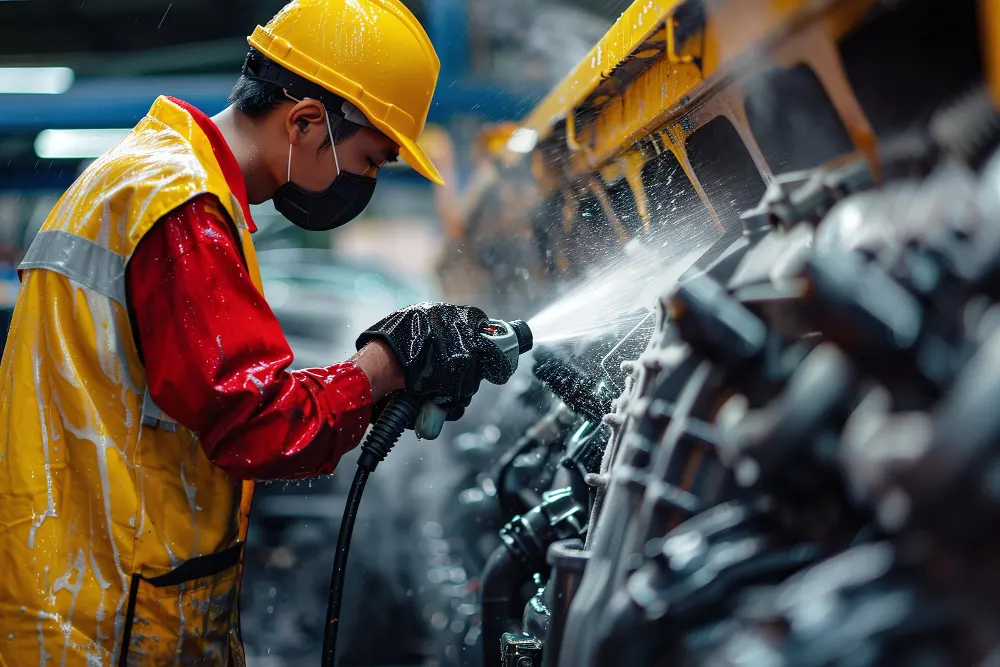
It is a surprising fact that 40% of factory downtime is a direct result of poor gear care and the buildup of thick grease. To maintain machine parts in a clean condition and prevent them from becoming oily, it is essential to use a trustworthy, heavy duty degreaser. Dirty grease covers the machinery like a thick, heavy blanket that causes overheating and, therefore, wears out mechanical parts.
We can stop costly breakdowns and lower repair bills by choosing a strong industrial degreaser. Good cleaning methods keep work areas safe and make heavy machines last much longer.
Why Deep Cleaning Heavy Machinery Is Critical for Industrial Efficiency
Dirty oils, thick sludge, and grime slow down heavy machines over time. Simple soap cannot break tough oil bonds.
Heat Build-Up: Too much grease accumulates and restricts heat dissipation from the engine, which leads to quick motor failure of parts.
Fast Wear: Dirt, which is a very fine particle, when mixed with oil can create sludge that is tough and abrasive and wears off metal parts quite quickly.
Fire Risks: Very hot engine parts, which are still running oil slicks, can ignite fire quite easily if the engine runs too long without a break.
Power Loss: When your machinery is covered in gunk, it requires more effort, hence more fuel usage, which in turn increases operating cost.
Using the right cleaner helps workers clear away dirt quickly without damaging machine surfaces.
Essential Types of Industrial Degreaser Formulas
Picking the best liquid cleaner is the first step toward good care. A strong industrial degreaser cuts through old grime without harming metal bases.
An industrial degreaser breaks down thick grease, old oil, carbon buildup, and dirt on heavy machines. These fluids use active chemical agents to lift hard sludge that water cannot touch. Using the right formula cleans parts fast while protecting soft rubber seals.
Solvent-Based Cleaners
Solvent fluids work well on heavy tar and thick grease. They dry fast, which makes them great for electric boxes and dry gear units.
Water-Based Alkaline Cleaners
Water-based fluids usually contain special soap-like substances to dissolve plant oils and industrial oils. Not only are they non-hazardous products that indoor environments can safely use, but they can also be easily and thoroughly cleaned with hot water spray machines.
Key Steps to Applying a Heavy Duty Degreaser Safely
- Area Preparation and Safety Check: Mandatory safety check before chemical application.
Turn off all electric power to the machine. Lock out switches so no power can be turned on. Put on safety glasses, heavy gloves, and rubber aprons. Make sure fresh air flows through the work zone.
- Initial Debris Removal:
Scrape off large chunks of dirt with a plastic scraper or wire brush. Clearing top layers lets the cleaning fluid reach deep grease directly.
- Chemical Application:
Spray the heavy duty degreaser evenly over dirty machine parts. Use a hand pump or brush to reach inside tight gaps and cracks.
- Dwell Time and Agitation:
Let the liquid soak on the surface for 5 to 15 minutes. Scrub thick spots with a hard brush to loosen caked grime.
- Rinsing and Final Drying:
Rinse parts well using clean water or damp rags. Check that all oil and fluid soap wash away. Dry metal parts with air hoses to stop rust.
Best Practices for Choosing a Degreaser for Machinery
Finding a good degreaser for machinery requires matching the fluid to your metal types, oil levels, and shop rules.
A good degreaser for machinery strips away tough shop oil while keeping metal surfaces safe. Plant gear needs balanced cleaners that lift sludge without pitting steel or drying out rubber rings. Using correct products prevents high fix costs and keeps lines moving smoothly.
Metal Surface Checks
Check your metal type before spraying strong fluids. Soft metals like aluminum and brass stain if hit with harsh basic fluids. Choose mild or neutral fluids for delicate metals to avoid rust and marks.
Plant Safety Rules
Check local rules about wastewater and air fumes. Most plants prefer eco-friendly fluids that clean well while keeping air fresh for floor workers.
Complete Machinery Cleaning Routine Comparison
| Cleaning Step | Solvent Method | Water-Based Method | Dip Tank Bath |
| Main Use | Tar, heavy oil, electric parts | Daily grease, dirt, motor blocks | Small parts, valves, gears |
| Soak Time | 2 – 5 Minutes | 10 – 15 Minutes | 5 – 20 Minutes |
| Tools Used | Spray gun, rags | Pressure hose, brush | Soak tank unit |
| Fire Risk | Low to Moderate | None | None |
| Rinse Type | Air dry, wipe down | Water hose rinse | Clean tank rinse |
| Metal Safety | Safe for steel | Safe for most metals | Safe for fine parts |
Avoiding Common Mistakes During Industrial Cleaning
- Hot engines and cleaners don’t mix. Spray them on hot metal, and the fluid evaporates right away, leaving dark stains behind.
- Rinse too fast and you’re wasting your time. Soap needs time to break down heavy oils. Wash it off immediately and that thick buildup stays put.
- Water dilutes cleaners. Add too much, and your soap can’t lift greasy spots anymore. Strength goes down.
- Electrical boxes need protection. Leave them uncovered during washdowns and water gets inside. Shorts happen next.
- Never dump oil down drains. Local laws prohibit it. Public water systems get contaminated when you do.
Sourcing Quality Chemicals from a Degreaser Supplier
Buying from an authorized degreaser supplier in UAE brings high-strength formulas made for hot weather and heavy sand dust.
A local degreaser supplier brings top cleaning fluids straight to regional plant sites. Good suppliers share safety sheets and offer custom chemical strengths for hard jobs. Local supply networks keep factories running without long delays for maintenance stock.
Maintenance Schedule for Machinery Longevity
- Daily: Check moving parts for oil leaks and wipe outer buttons with clean rags.
- Weekly: Clean heavy drive chains, belts, and gears to remove trapped dust.
- Monthly: Run a deep wash using a heavy duty degreaser across all main engine frames.
- Quarterly: Clean internal oil tanks and soak disassembled gears in dip tanks.
Conclusion
Keeping your machinery clean means it will last longer, work better, be more reliable, and be less risky for your plant employees. To make heavy grease removal easier, it is recommended that one use a very powerful industrial degreaser.
This will remove the deep grease buildup as well as give the machinery a regular maintenance check. Following proper steps from basic prep work to final drying protects vital components from early damage. Work with Chemway Chemicals to get strong, reliable cleaning solutions built for your factory needs.
Frequently Asked Questions
1) What’s a heavy duty degreaser used for?
Heavy duty degreasers strip away hard grease, motor oils, carbon build-up, and dirt from factory machines, floors, and tools.
2) How long should I leave a heavy duty degreaser on machine surfaces?
Let it soak for 5 to 15 minutes. Active soaps need that time to break oil bonds before you scrub or rinse.
3) Is an industrial degreaser safe for all metal surfaces?
An industrial degreaser works on most steel parts, but strong alkaline fluids can stain aluminum. Check safety sheets before use.
4) Why choose a specialized degreaser for machinery over standard soaps?
A dedicated degreaser for machinery cuts through industrial oils, while basic soaps only shift surface dust and leave slick films behind.
5) How do I choose the right chemical cleaner for my facility?
Look at your oil types, metal surfaces, and shop rules. Pick a formula that matches your main dirt issues and safety requirements.
