
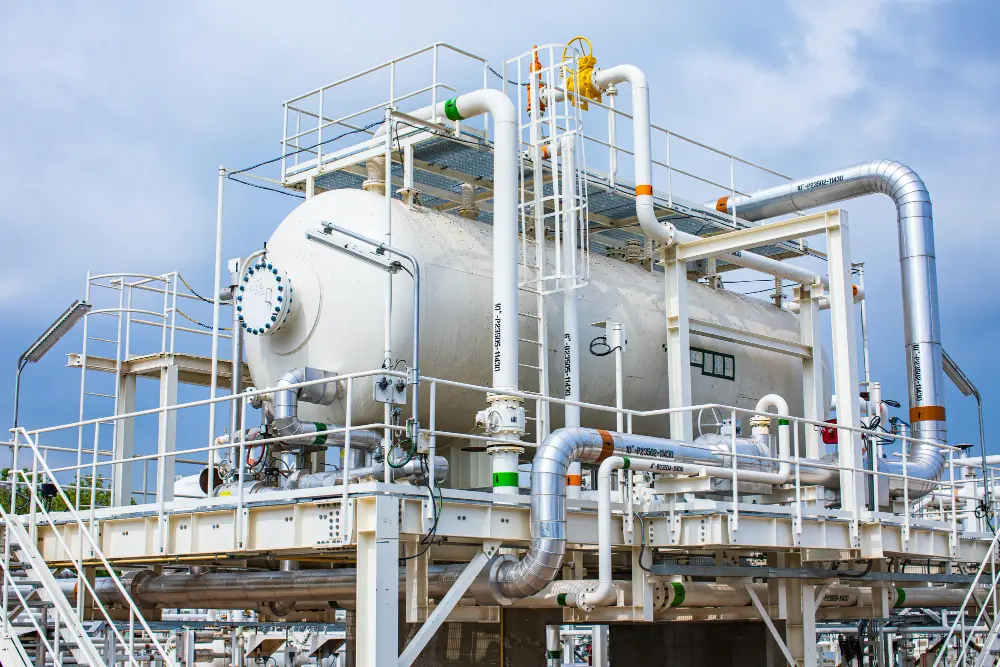
Did you know that wet natural gas causes billions of dollars in pipeline damage every year? Pipelines transport massive amounts of fuel daily. Even a tiny amount of water vapor can cause a pipeline to fail.
For safe transport, natural gas dehydration must happen right after the gas leaves the ground. Water vapor creates huge risks. It forms solid ice blocks that choke gas flow. Removing moisture early protects pipelines, keeps gas moving, and meets safety rules.
Understanding the Risks of Wet Natural Gas
Deep underground, natural gas is full of water vapor. Workers call this raw state “wet gas.” Leaving water in the gas during transport causes three main problems:
Hydrate Blocks: Cold temperatures and high pressure turn water and gases into solid crystals. These crystals act like ice blocks inthe side of the pipe.
Pipe Corrosion: Liquid water mixes with underground gases to form strong acids. These acids eat away at the steel walls, causing leaks.
Flow Issues: Water pools in low spots of the pipe
To stop these costly breaks, processing plants use a natural gas dehydration process to remove water before the gas enters big pipelines.
The Importance of Natural Gas Dehydration
Raw natural gas contains a lot of underground water vapor. If left alone, this water mixes with gas molecules to form ice blocks. These solid blocks clog pipes completely. Water also causes rust inside the steel pipeline walls. This creates weak spots and dangerous leaks.
Processing plants use natural gas dehydration to strip out this moisture right away. Cleaning the gas early keeps it dry and stable. This simple step makes long-distance fuel transport safe for everyone.
The Glycol Dehydration Process Explained
The most common way to dry gas is with a liquid desiccant. The glycol dehydration process is the top choice for the energy industry. It is cheap, reliable, and highly efficient. The system uses a liquid chemical called triethylene glycol (TEG). This liquid absorbs water directly from the wet gas stream.
The drying system runs in a continuous, simple loop:
- Wet gas enters the bottom of a tall tower and flows upward.
- Pure liquid glycol pumps into the top of the tower and flows downward.
- The gas and glycol touch, and the chemical pulls the water out of the gas.
- Dry natural gas exits the top of the tower, ready for safe transport.
- The wet glycol goes to a heater to boil off the trapped water.
- The clean, dry glycol flows back to the tower to start again.
The Critical Role of Triethylene Glycol (TEG)
Choosing the chemical is very important for a stable natural gas dehydration process. Triethylene glycol works under different pressures and temperatures. It handles heat very well and does not evaporate easily.
This stops triethylene glycol from escaping into the air when the heater boils off the water. Using pure chemicals lowers the moisture level to meet strict transport rules. Most pipeline networks require the gas to be almost completely dry before entry.
Benefits of Proper Natural Gas Dehydration
Drying gas saves money and keeps workers safe. Clean systems offer major operational perks:
- Longer Pipe Life: Removing water stops acid damage. This keeps steel pipes strong for decades.
- Steady Gas Supply: Preventing ice blocks means gas flows to homes and businesses without stops.
- Equipment Protection: Dry gas protects sensitive valves, meters, and compressors from rust and mud.
- Meeting Buyer Rules: Dry gas meets standard quality limits. This prevents fines and rejected shipments.
Industrial Sourcing for Dehydration Systems
Big gas plants need a steady supply of high-grade chemicals to keep systems running. Large processing centers depend on local distributors to avoid delivery delays. Operations in the Middle East often look for a reliable triethylene glycol supplier in UAE to keep production on track.
Plant operators need high chemical purity to prevent foaming inside the heating units. Buying good chemicals keeps absorption towers working well. It also cuts down on chemical waste and lowers total plant repair costs.
Conclusion
Safe energy transport requires clean fuel. Removing water vapor with a trusted glycol dehydration process stops pipe rust and prevents dangerous ice blocks. Clean gas keeps valuable equipment safe.
Investing in good chemicals and tough drying tools ensures smooth energy delivery. For premium chemical supplies that keep drying systems running at peak performance, industrial teams rely on Chemway Chemicals.
FAQs
1) What is the primary purpose of natural gas dehydration?
The main goal of natural gas dehydration is to remove water vapor from wet gas lines. This stops pipe rust and prevents ice blocks during transport.
2) How does the glycol dehydration process work?
The glycol dehydration process passes wet gas through liquid glycol. The liquid grabs the water. A heater then boils the water out of the glycol so it can be reused.
3) Why is triethylene glycol preferred in a gas dehydration process?
Triethylene glycol is the top choice for a gas dehydration process because it resists high heat. It holds onto water well without boiling away with the steam.
4) What happens if water vapor stays in natural gas?
Unfiltered water vapor mixes with gas to form frozen blocks. It also turns into acid that eats through steel pipes and destroys valves.
5) How do operators keep gas drying systems working well?
Operators check chemical purity and stop foam from building up in the towers. They buy high-grade processing chemicals to reduce plant downtime.
