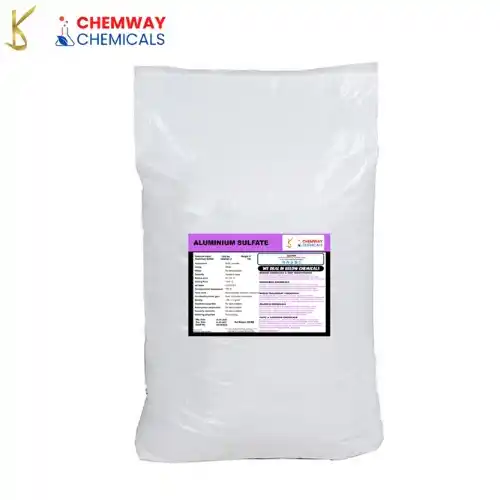
Aluminum sulfate is a widely used chemical in various industries due to its properties as a flocculant, coagulant, and pH adjuster. Here’s an overview of its applications across different sectors:
- Water Treatment
- Drinking Water Purification: Used as a flocculant in water treatment plants to help remove suspended particles and impurities from drinking water.
- Wastewater Treatment: Helps in the coagulation and flocculation process, aiding in the removal of suspended solids and contaminants from industrial and municipal wastewater.
- Paper and Pulp Industry
- Paper Manufacturing: Acts as a sizing agent and a coagulating agent in the paper production process, improving paper quality and reducing ink bleed.
- Pulp Processing: Used to treat wood pulp, aiding in the separation of fibers and improving the quality of the final paper product.
- Textile Industry
- Dye Fixation: Used in textile processing to fix dyes to fabrics, ensuring color fastness and improving the quality of dyeing processes.
- Fabric Treatment: Helps in the treatment of textiles by controlling pH and enhancing the effectiveness of various chemicals used in fabric processing.
- Construction Industry
- Concrete and Cement: Used as an additive in concrete and cement to control setting time, enhance workability, and improve strength.
- Soil Stabilization: Applied in soil stabilization and conditioning to improve soil properties for construction purposes.
- Agriculture
- Soil Acidification: Used to lower soil pH in agricultural fields, improving the availability of nutrients for crops and enhancing soil fertility.
- Pesticide Production: Used in the manufacture of certain pesticides and herbicides, contributing to effective pest control.
- Food and Beverage Industry
- Clarification: Employed as a clarifying agent in the production of beverages like fruit juices, wine, and beer to remove suspended particles and improve clarity.
- Food Additive: Used in some food products as an acidity regulator or firming agent.
- Cosmetics and Personal Care
- Cosmetic Formulations: Used in some cosmetics and personal care products as astringents or pH adjusters.
- Antiperspirants: Forms the basis for some antiperspirants, helping to control sweating.
- Pharmaceuticals
- Pharmaceutical Manufacturing: Used in the preparation of certain pharmaceutical products, such as in the production of vaccines and other injectable medicines.
- Leather Industry
- Tanning: Used in the leather tanning process to improve the quality and durability of leather products.
- Mining and Metallurgy
- Flocculation: Applied in the mining industry to aid in the flocculation of minerals and ores, facilitating their separation from waste materials.
- Chemical Manufacturing
- Chemical Reactions: Used as a reactant in various chemical processes, including the production of other aluminum compounds.
- Environmental Management
- Soil and Water Remediation: Applied in environmental remediation projects to treat contaminated soil and water, helping to remove pollutants and improve soil conditions.
Aluminum sulfate’s versatility in water treatment, paper production, soil conditioning, and various other applications makes it an essential chemical across many industries. Its effectiveness as a coagulant and pH adjuster contributes to its widespread use in both industrial and environmental applications.