
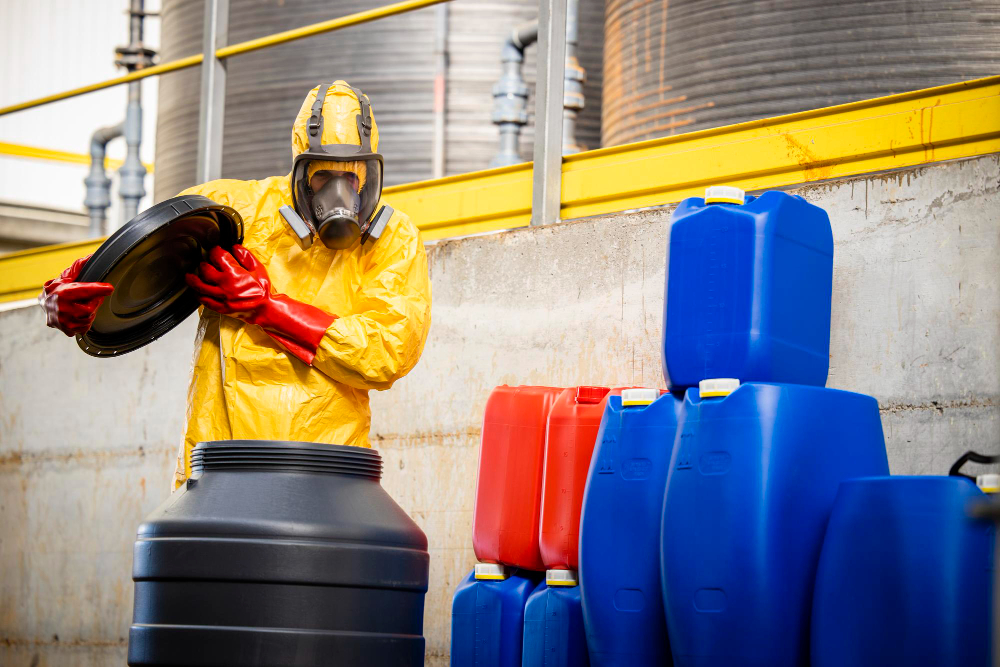
Carbon buildup affects engines, machines, and industrial systems. A carbon removal chemical helps remove hard carbon deposits safely. These deposits reduce efficiency and cause damage over time. Many industries now prefer chemical cleaning over manual methods. Chemical cleaning saves time and protects equipment. This guide explains carbon removal chemicals, how they work, and where they are used.
Why Carbon Buildup Causes Problems
Carbon forms when fuel or oil does not burn fully. Heat turns residue into hard deposits. These deposits stick to metal surfaces.
Carbon buildup causes:
- Reduced airflow
- Lower efficiency
- Higher fuel use
- Heat imbalance
- Part damage
Ignoring buildup leads to costly repairs.
Carbon Removal Chemical and Its Purpose
It breaks down carbon layers without harming metal parts. It reacts with deposits and loosens them from surfaces.
Industries use chemical cleaning because it:
- Reaches tight spaces
- Reduces manual work
- Cleans evenly
- Protects surfaces
Chemical cleaning offers controlled and safe removal.
How Does It Work
They work through controlled reactions. They soften carbon and weaken its bond with metal.
The cleaning process includes:
- Applying the chemical
- Allowing reaction time
- Flushing or wiping residue
Correct timing ensures full cleaning without damage.
Types of Carbon Removal Chemicals
Different systems need different cleaning methods. Carbon thickness and temperature affect product choice.
Common types include:
- Liquid cleaners
- Spray cleaners
- Soaking solutions
- Heat-resistant cleaners
Each type suits specific cleaning conditions.
Carbon Cleaning Solutions for Industrial Equipment
Carbon cleaning solutions are widely used in industrial systems. Continuous operation leads to heavy carbon buildup.
Industrial applications include:
- Boilers
- Furnaces
- Heat exchangers
- Pipes
Regular cleaning improves output and reduces downtime.
Carbon Remover for Engines and Machines
A carbon remover is often used for engines and machinery. It cleans internal parts without dismantling systems.
Engine cleaning benefits include:
- Better fuel burn
- Improved power
- Reduced smoke
- Smoother operation
Chemical cleaning restores performance.
Carbon Cleaning Solutions for Fuel Systems
They help clean injectors and fuel lines. Carbon blocks fuel flow and affects combustion.
Fuel system cleaning helps:
- Improve fuel spray
- Reduce misfires
- Lower fuel waste
- Extend engine life
Clean systems perform more efficiently.
Carbon Remover for Valves and Chambers
A carbon remover works well on valves and chambers. These parts face high heat and pressure.
Chemical cleaning offers:
- Even coverage
- No scratching
- Deep cleaning
- Safe removal
These protect sensitive parts from damage.
Benefits of Using Carbon Removal Chemicals
They provide clear advantages. They reduce effort and improve results.
Key benefits include:
- Faster cleaning
- Lower labor cost
- Reduced wear
- Better efficiency
Chemical methods are safer than mechanical cleaning.
Where Carbon Removal Chemicals Are Used
Many industries face carbon buildup issues. Chemical cleaning supports smooth operation.
Common sectors include:
- Automotive service
- Manufacturing plants
- Power generation
- Marine engines
- Oil and gas
Each sector benefits from clean systems.
Safety Guidelines During Chemical Cleaning
Chemical Cleaning must be used carefully. Safety steps protect workers and equipment.
Basic guidelines include:
- Wearing gloves
- Following instructions
- Using proper dosage
- Ensuring ventilation
Safe use ensures effective results.
Choosing the Right Carbon Remover Supplier in DUbai
Selecting the right carbon remover supplier ensures consistent quality. Poor products can damage equipment.
Key points to consider:
- Product testing
- Clear usage guidance
- Industry standards
- Technical support
A trusted supplier ensures reliable cleaning.
Why Product Quality Matters
Low-grade chemicals may leave residue or cause corrosion. High-quality formulas are clean without side effects.
A reliable carbon remover supplier provides:
- Stable formulations
- Clear instructions
- Repeatable results
Quality products protect equipment value.
Environmental Considerations in Carbon Cleaning
Modern carbon cleaners focus on safer formulas. Many reduce fumes and harmful residue.
Responsible products:
- Lower waste output
- Support safer disposal
- Reduce surface damage
This helps meet safety guidelines.
How Regular Carbon Cleaning Extends Equipment Life
Routine cleaning prevents thick buildup. Clean systems operate at normal capacity.
Regular cleaning helps:
- Reduce breakdowns
- Maintain performance
- Lower repair costs
- Extend service life
Preventive cleaning saves money.
Signs That Carbon Cleaning Is Needed
Early signs help prevent damage. Ignoring signs worsens problems.
Common signs include:
- Power loss
- Increased fuel use
- Overheating
- Rough operation
Timely cleaning restores balance.
Conclusion: Trusted Carbon Cleaning Support from Chemway Chemicals
A carbon removal chemical plays a key role in system maintenance. It removes harmful deposits safely and efficiently. Chemical cleaning improves performance and protects equipment.
For reliable products and expert support, Chemway Chemicals provides trusted solutions designed for industrial and commercial cleaning needs.
Frequently Asked Questions (FAQs)
1. What do chemical cleaning solutions do?
It breaks down carbon deposits and removes them from metal surfaces safely.
2. Are carbon cleaning safe for machines?
Yes. When used correctly, these can be used without damaging parts.
3. How often should carbon remover be used?
Frequency depends on usage and operating conditions.
4. Can carbon removal improve engine efficiency?
Yes. Clean systems burn fuel better and run smoother.
5. How do I choose a carbon remover supplier?
Select one with tested products, clear guidance, and technical support.
