
Can metal rot in pipelines cost Middle East energy firms over $10 billion every year? Applying strong pipeline corrosion protection stops metal decay early and keeps essential fluid networks running without leaks.
In hot desert soils and salty coastal areas, bare steel pipes weaken fast. Using smart corrosion protection for pipelines shields key energy assets, stops sudden shutdowns, and cuts heavy repair bills.
Why Metal Decay Threatens Industrial Infrastructure
Industrial pipe networks carry oil, gas, fresh water, and chemicals long distances in the UAE. Steel pipes are constantly attacked by hot soil, salty air, and acidic fluids. Bare steel will rust if not cared for.
When rust forms, pipe walls turn thin and brittle under heavy pressure. This damage leads to tiny pinhole leaks or sudden pipe bursts. Leaks spill valuable fluids, stop daily factory work, and harm surrounding land. Keeping steel pipe walls thick and clean is vital for safe plant operations.
Key Causes of Pipe Damage in the UAE
Running long pipe networks in desert and coastal regions presents tough mechanical and environmental challenges. Harsh weather speeds up chemical reactions on metal surfaces.
High Ground Heat
Soil temperatures across desert areas often pass 50°C during summer months. High heat speeds up chemical rust formation on buried steel walls.
Salty Air and Coastal Soil
Groundwater near coastal zones contains heavy salt concentrations. Dissolved salts eat through plain protective paints and attack underlying steel.
Internal Chemical Attack
Crude oil and raw water carry dissolved gases like hydrogen sulfide. These weak acids etch away internal pipe floors under continuous flow.
Core Pillars of Pipeline Corrosion Protection
A complete pipeline corrosion protection plan stops metal decay using multiple protective layers. Combining physical coatings, chemical barriers, and electrical shields gives pipe walls total defense.
1. Protective Outer Coatings
Factory-applied epoxy coatings create a hard physical wall around raw steel. These smooth plastic layers stop wet soil and salty groundwater from touching bare metal.
2. Cathodic Defense Systems
Cathodic systems send weak electric currents through buried pipe steel. This negative charge keeps steel particles from breaking off into surrounding damp soil.
3. Chemical Film Inhibitors
Liquid inhibitors injected into flowing liquids form a tiny film over internal steel walls. This ultra-thin coat blocks acidic water drops from touching metal plates.
4. Continuous Wall Monitoring
Sensors check metal thickness and fluid acidity regularly. Early checks help repair small worn spots before major leaks happen.
Essential Methods of Corrosion Protection for Pipelines
Applying specialized corrosion protection for pipelines keeps both internal walls and external surfaces safe from harsh environments. Choosing the right method depends on soil conditions, fluid types, and temperature levels.
Proven Defense Options
- Fusion-Bonded Epoxy: Polymer powders baked onto outer steel walls to resist soil pressure.
- Liquid Inhibitor Dosing: Special chemical blends injected into liquid streams to form protective film layers inside.
- Sacrificial Anodes: Metal blocks attached to pipes that rust away first to save main steel lines.
Importance of Proactive Corrosion Protection
Using proactive protection for pipelines stops metal decay before structural weaknesses cause pipe failures. Regular chemical dosing coats internal welds, shields high-stress bends, and keeps fluid lines running smoothly under heavy pressure.
Partnering with reliable corrosion inhibitor suppliers in UAE gives plant operators proven chemical tools to extend pipe life safely.
Modern Systems for Pipeline Integrity Management
Maintaining long-term pipe safety requires structured pipeline integrity management practices. Modern plant teams track wall thickness, check chemical levels, and inspect high-risk line sections regularly.
Key Inspection Tools
Plant engineers use smart tools to scan pipe health without stopping fluid flow:
- Smart Inspection Pigs: Electronic probes that travel inside pipes to measure wall thickness and locate rust spots.
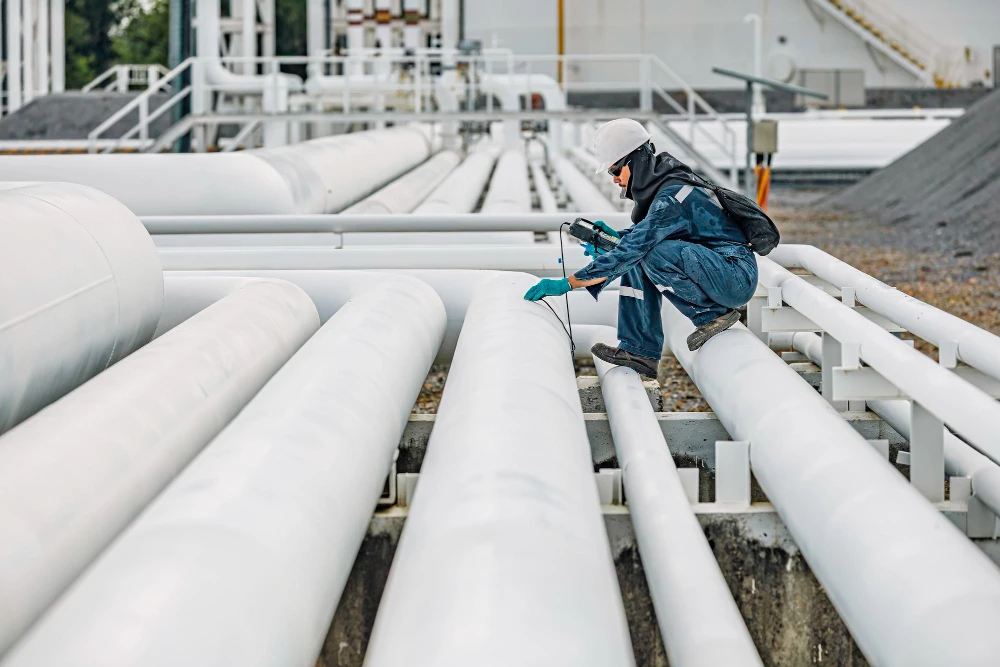
- Ultrasonic Wall Meters: Handheld tools that scan outer metal surfaces to find hidden thin spots.
- Corrosion Test Coupons: Metal strip samples placed inside pipe lines to track real-time rust rates.
- Pressure Sensors: Digital meters that detect tiny pressure drops caused by internal line leaks.
Manual Inspection vs. Automated Defense
| Feature | Manual Pipe Checks | Automated Chemical Systems |
| Detection Speed | Slow; relies on scheduled hand scans | Fast; tracks line changes continuously |
| Labor Needed | High; requires field teams on site | Low; runs on automated dosing pumps |
| Protection Level | Variable; rust grows between checks | Steady; maintains active chemical film |
| Leak Prevention | Misses hidden internal rust spots | Blocks acid attack before metal thins |
| Operating Cost | High repair bills after leaks occur | Lower overall cost through preventive care |
Simple Pipeline Maintenance Schedule
A clear routine prevents sudden pipe failures and extends steel service life.
- Daily Tasks:
- Read line pressure gauges and chemical feed pump rates.
- Check storage tank levels for liquid rust inhibitors.
- Inspect pump seals and flow meters for smooth operation.
- Weekly Tasks:
- Collect fluid samples from low points to test pH and water content.
- Inspect above-ground pipe supports for flaking paint or surface rust.
- Check electric current levels on cathodic protection panels.
- Monthly Tasks:
- Remove and weigh test coupons to measure real metal loss rates.
- Clean inline strainers and check chemical injection nozzles for clogs.
- Scan exposed pipe welds with handheld ultrasonic thickness gauges.
- Twice-Yearly Tasks:
- Run smart inspection pigs through main transmission lines.
- Complete full chemical flushing cycles on slow-moving liquid loops.
- Recalibrate automatic pressure sensors and emergency shut-off valves.
Conclusion
Protecting critical pipe networks across the UAE requires strict maintenance habits, modern monitoring tools, and reliable chemical treatments. Applying a comprehensive pipeline corrosion protection plan prevents metal wall thinning, stops dangerous leaks, and keeps key fluid lines operating safely.
Using continuous chemical feed setups, running regular pigging scans, and following structured inspection plans help local facilities protect high-value assets while cutting repair bills.
Partnering with Chemway Chemicals gives you access to proven liquid inhibitors, custom chemical treatments, and expert technical support to keep your industrial pipe networks running strong year after year.
FAQs
1) What is the main goal of pipeline corrosion protection?
The main goal of pipeline corrosion protection is stopping chemical rust, keeping pipe walls strong, preventing fluid leaks, and extending equipment service life.
2) How does corrosion protection for pipelines save operational costs?
Using corrosion protection for pipelines prevents sudden pipe bursts, cuts emergency repair costs, stops lost fluid production, and extends steel pipe usability for decades.
3) What role does pipeline integrity management play in plant safety?
Regular pipeline integrity management tracks wall thickness, detects hidden metal wear early, and ensures chemical dosing keeps lines safe under high operating pressures.
4) How often should plant engineers test fluid lines for internal rust?
Plant operators should check chemical feed rates daily, test fluid samples weekly, and weigh corrosion test coupons every month to verify metal loss rates.
5) How do chemical inhibitors protect internal steel pipe walls?
Liquid chemical inhibitors form a continuous micro-thin film over internal steel surfaces, blocking acidic water drops and dissolved gases from touching bare metal plates.
