
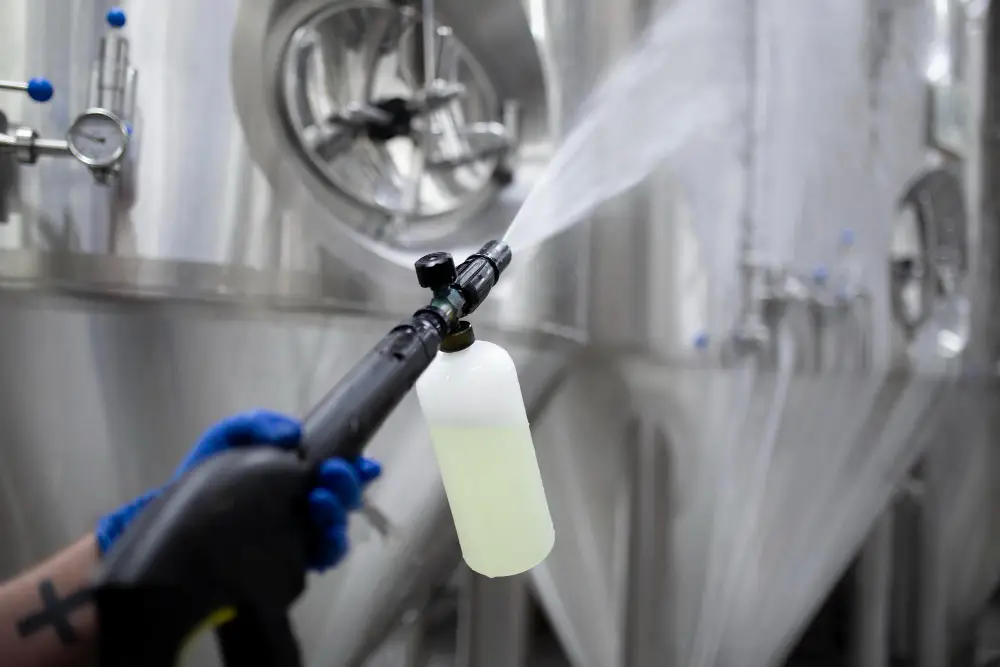
Burnt-on carbon is one of the more stubborn deposits to deal with, and aluminum makes the job harder. The metal is light, widely used in engine parts, machinery and equipment, and easy to damage with the wrong chemical. If you are working out how to remove carbon from aluminum, the safest approach starts with understanding the surface before you reach for a cleaner.
This guide explains why aluminum needs careful handling, how to assess a part before cleaning, what to look for in a carbon remover and which mistakes cause the most damage.
Why Burnt-On Carbon Is Hard to Shift
Carbon deposits typically build up when oils, fuels or other organic residues are exposed to high heat over time. Repeated heating bakes these residues into hard, dark layers that cling tightly to the surface beneath.
Ordinary detergents may lift fresh grease, but they often struggle with baked deposits. That is why dedicated carbon removers exist. The challenge with aluminum is finding a product strong enough to break down the carbon without attacking the metal itself.
Why Aluminum Needs Careful Cleaning
Aluminum naturally forms a thin oxide layer that helps protect it. Strong chemicals can break down that layer and then start dissolving the metal underneath, so any plan for how to remove carbon from aluminum has to account for this.
Industry guidance from metal finishing specialists highlights a few key points:
- Free caustic attacks aluminum. Strongly alkaline cleaners containing free caustic, such as sodium hydroxide, can quickly etch and dissolve the surface.
- Heat, time and concentration make it worse. Higher temperatures, longer contact times and stronger concentrations all increase etching and discoloration.
- Cleaners are not interchangeable. Products formulated for stainless steel often have a high pH and are usually not suitable for aluminum.
- Some cleaners are formulated for aluminum. Certain alkaline cleaners include inhibitors to reduce attack on the base metal.
The result of using the wrong product can be a dull, etched or streaked surface, and in precision parts, potential damage to fit or function.
How to Remove Burnt On Carbon Without Damaging Aluminum

Every part and deposit is different, so follow the product and equipment manufacturers’ instructions at each step. The general approach below helps reduce risk.
Step 1: Identify the Surface
Confirm that the part is aluminum and check whether it is coated, anodized or painted. Coated and bare surfaces may need different products. If the equipment manufacturer gives cleaning guidance, start there.
Step 2: Remove Loose Deposits and Grease
Clear away loose debris and surface grease first. This lets the carbon remover reach the baked-on layer rather than being used up on surface dirt.
Step 3: Choose a Product Confirmed for Aluminum
Use only a carbon remover whose technical data sheet states that it is suitable for aluminum. A product being sold as a carbon remover does not by itself mean it is safe for this metal.
Step 4: Test a Small Area
Apply the product to a small, hidden area first. Check for discoloration, etching or dulling before treating the whole part.
Step 5: Apply and Rinse as Directed
Follow the stated application method, contact time and rinsing instructions exactly. Do not extend contact time or raise the temperature beyond what the manufacturer specifies.
For engine parts specifically, our guide to engine maintenance cleaning practices covers how carbon removers fit into routine maintenance.
Choosing a Non Corrosive Carbon Remover
A non corrosive carbon remover is the goal for aluminum, but that description should always be backed by documentation. Before buying, check:
- Technical data sheet (TDS): Confirms the intended applications and the metals the product is suitable for.
- Safety data sheet (SDS): Lists hazards, handling precautions, protective equipment and storage requirements.
- Compatibility with other materials: Seals, rubber and plastics on the part may react differently from the metal.
- Application method: Spray, brush or soak, and whether the method suits your parts and workspace.
- Rinsing and disposal: How the product must be rinsed off and how waste should be handled.
If a supplier cannot confirm aluminum compatibility in writing, choose a different product.
Common Mistakes to Avoid
- Using strong caustic cleaners. Products with free caustic can etch aluminum quickly.
- Borrowing a steel or stainless steel cleaner. What works on steel can damage aluminum.
- Scrubbing with harsh abrasives. Wire brushes and coarse pads can scratch soft aluminum surfaces.
- Heating the solution or extending contact time. Both can increase the risk of etching.
- Skipping the patch test. A quick test can prevent damage to an expensive part.
- Mixing chemicals. Never combine cleaning products unless the manufacturer confirms it is safe.
Sourcing a Carbon Remover for Industrial and Automotive Use
Workshops, fleets and industrial sites often need carbon removers in larger quantities, so documentation and consistency matter as much as price. Ask for the TDS and SDS before ordering, confirm aluminum compatibility, and check packaging suits your storage and handling.
If you are comparing options for vehicles and equipment, our article on automotive machinery carbon removal explains what to consider for different applications.
When you are ready to buy, look for a carbon remover supplier that can provide full product documentation and answer compatibility questions.
How Chemway Chemicals Can Help
Chemway chemicals is a Dubai-based chemical supplier and distributor. To discuss your carbon removal needs or request product documentation, including aluminum compatibility, contact the team.
Conclusion
Knowing how to remove carbon from aluminum safely comes down to respecting the metal. Avoid strong caustic and steel-only cleaners, choose a product whose documentation confirms aluminum compatibility, test a small area first and follow the manufacturer’s instructions closely. Careful preparation protects both the part and the people doing the work.
Frequently Asked Questions
1. Can you explain how to remove carbon from aluminum safely?
Use a carbon remover whose technical data sheet confirms it is suitable for aluminum. Test a small hidden area first, follow the stated contact time and rinsing instructions, and avoid strong caustic cleaners, which can etch the metal.
2. Can I remove burnt on carbon with a stainless steel cleaner?
It is best not to. Cleaners formulated for stainless steel often have a high pH and contain free caustic, which can quickly etch and discolor aluminum. Choose a product documented as suitable for aluminum instead, and test it first.
3. What makes a non corrosive carbon remover suitable for aluminum?
Its suitability should be confirmed by the manufacturer’s technical data sheet, not by the product name alone. Check that the documentation lists aluminum as a compatible metal and follow its handling and application instructions carefully.
4. Why does aluminum turn dark or dull after cleaning?
Strong alkaline cleaners can break down aluminum’s protective oxide layer and etch the surface, leaving it dull or streaked. Higher temperatures, longer contact times and stronger concentrations all make this damage more likely, so follow the label closely.
5. Is it safe to use abrasives on aluminum parts?
Harsh abrasives such as wire brushes or coarse pads can scratch aluminum, which is a relatively soft metal. If mechanical cleaning is needed, use gentle tools and check the equipment manufacturer’s guidance before starting any cleaning work.
