
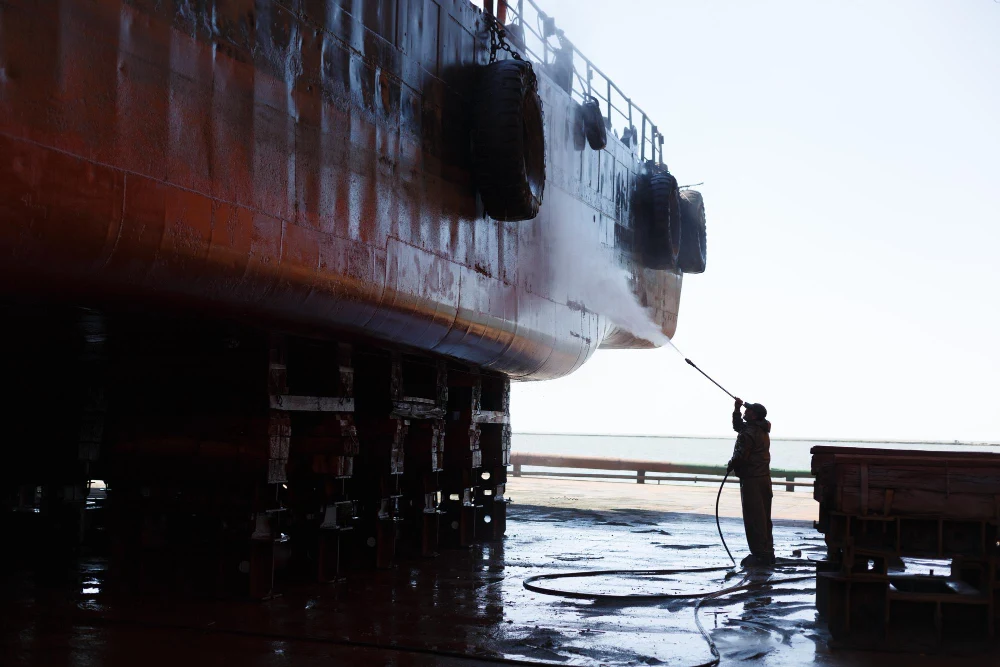
Did you know that over eighty percent of global trade travels by sea? This high volume makes regular ship upkeep vital for international business. Without the right tools, it will be impossible to keep large vessels moving safely through major trade routes.
High-quality Marine Cleaning Chemicals are necessary to remove tough salt, grease, and grime from heavy machinery. These liquids prevent rust and stop salt buildup from ruining expensive metal parts.
Proper washing keeps ships efficient and lowers fuel waste during long trips. Regular washing ensures that small mechanical faults do not turn into major engine failures at sea. Using effective cleaning products helps your crew finish maintenance tasks quickly and safely.
Why Marine Maintenance Is Essential for Marine Operations
Running a successful shipping business relies heavily on maintaining your fleet in excellent condition. Saltwater is a very corrosive element that can damage heavy steel hulls and fine engine parts very quickly. A regular wash can reduce friction and stop rust from gradually weakening the structural hull of your ship.
Extending New Equipment Lifespan:
Consistently cleaning salt deposits through washing prevents rust from penetrating and damaging metal parts, which might be quite expensive.
Enhancing Work Performance:
Vessels that have their hulls cleaned are able to glide efficiently in water, thereby alleviating the engine load and conserving fuel.
Ensuring Compliance With Safety Regulations:
Cleaning decks of oil leak residues, which are very slippery, will not only prevent falling accidents among workers but also minimize fire hazards through oil spillage.
Reducing Overall Spending:
Addressing minor dirt issues now will keep you from resorting to drydock repairs, which are very costly and involve emergency breakdowns.
Preserving Cargo:
Cleaning cargo spaces thoroughly will ensure no chemical contamination happens in cases where different shipments are carried.
Key Types of Marine Cleaning Products Used Today
Industrial vessels require distinct fluids to treat different areas, from heavy engine rooms to deck areas. Utilizing specialized marine cleaning products ensures that tough engine grease dissolves without harming the underlying metal work.
These formulas include heavy degreasers, tank washes, and solutions that remove hard calcium deposits from internal cooling pipes. Using the right cleaning products keeps your machinery running at peak performance levels for years.
For instance, cargo holds need deep cleaning fluid between trips so old residue does not ruin new food shipments. Tank washes help crew members clean out heavy fuel storage cells safely and quickly.
- Sea Cleaners: Excellent multi-purpose liquids that wash away salt crusts from deck surfaces and outer hulls.
- Heavy Degreasers: Strong chemical formulas built to break down thick grease layers inside hot engine rooms.
- Tank Cleaning Fluids: Deep cleansers that strip away stubborn cargo leftovers from holding walls.
- Surface Washes: Safe liquids made to keep crew living quarters tidy and free from bacteria.
- Oil Residue Removers: Target solutions that lift oily films from bilge spaces before rinsing.
How Marine Cleaning Chemicals Improve Cleaning Efficiency
Washing a massive cargo ship by hand with standard soap would take weeks and waste valuable time. Specialized Marine Cleaning Chemicals speed up the process by breaking down thick oil bonds on contact. This quick action allows crew members to rinse away heavy grime using simple high-pressure water hoses.
Faster washing means ships spend less time docked in port and more time moving cargo across oceans. Clean cooling systems and engines run cooler, which prevents sudden breakdowns during long deep-sea trips.
The Connection Between Marine Cleaning Chemicals and Marine Pollution Control
Modern ship fleets must balance deep mechanical washing with strict international rules regarding ocean safety. Implementing proper marine pollution control methods ensures that washing runoff does not harm local coral reefs or marine life.
Modern cleaning fluids are formulated to separate from oil quickly, making it easier for ship systems to trap contaminants. Good pollution control stops dangerous oil slicks from collecting in bilge spaces and leaking into public waters.
Using the right washing methods helps companies comply with global port laws and avoid heavy fines. Keeping your internal bilge areas clean makes it simple for onboard oil-water separators to function perfectly.
Choosing the Right Marine Cleaning Products for Different Applications
Ship Hulls and Outer Decks
Outer hulls face constant exposure to salt water and small sea organisms that stick to steel. Workers use heavy sea cleaners to wash away salt grime and keep the hull smooth. A smooth hull reduces drag, which lets the ship slide through ocean waves using less fuel.
Offshore Platforms
Oil rigs and offshore platforms stay in one ocean spot for years and face constant wave spraying. These structures need deep degreasers to keep drilling decks safe and free from slippery oil films. Regular application prevents rust from weakening the massive steel legs that support the platform.
Ports and Harbors
Busy shipping ports handle hundreds of loading vessels each week, leading to frequent fuel spills on docks. Port workers use fast-acting surface washes to clean concrete docks and keep loading areas safe for trucks. Keeping docks clean prevents slippery tracking hazards near the water’s edge.
Internal Marine Equipment
Internal ship systems like boilers and cooling heat exchangers need internal descaling fluids to clear mineral blocks. Removing these blocks keeps fluid flowing freely so engines do not overheat during long sea journeys. Clean pipes ensure the ship systems run reliably without sudden power losses.
Why Quality Marine Cleaning Chemicals Matter
By making a choice of high-quality fluids from a good sea cleaner supplier in UAE , you can uphold the reliability of your ship maintenance program even in challenging sea conditions. Low-cost, uncertified soaps hardly manage to penetrate oil and fuel residues, and, besides, they can cause damage to rubber seals, which are very sensitive.
The good-quality formulas not only help the surfaces made of metal but also allow dirt to be removed safely without causing any harm, which can result in significant cost savings in terms of replacing parts over time.
Conclusion
Modern ocean shipping demands consistent vessel upkeep to keep global supply chains moving safely and efficiently. Using weak soap leaves your heavy machinery open to fast salt rust and expensive engine breakdowns. By integrating strong Marine Cleaning Chemicals into your schedule, you ensure your fleet operates at peak performance.
Choosing the right cleaning products protects your mechanical parts, cuts fuel waste, and assists with proper pollution control. For high-quality supplies that keep your vessels in perfect shape, partner with Chemway Chemicals, a trusted sea cleaner supplier.
FAQs
1) Why are specialized Marine Cleaning Chemicals needed for ship maintenance?
Specialized Marine Cleaning Chemicals are designed to break down tough salt crusts and heavy engine grease that standard industrial soaps cannot dissolve.
2) How do modern marine cleaning products improve fuel efficiency?
Using quality marine cleaning products removes algae and salt buildup from the hull, creating a smooth surface that reduces water resistance and saves fuel.
3) What role do these fluids play in marine pollution control?
Smart formulas support marine pollution control by breaking down oils easily, allowing ship separation systems to filter out sludge before releasing clean water.
4) Can cheap cleaning soaps damage sensitive ship machinery parts?
Yes, uncertified soaps can corrode aluminum parts, dry out rubber gaskets, and cause electrical failures inside complex ship engine rooms.
5) How often should ship crews clean internal bilge spaces?
Crews should wash bilge areas regularly using oil removers to prevent thick sludge buildup and keep onboard water filters working perfectly.
