
Did you know that industrial rust costs global industries over 2.5 trillion dollars every single year? In rapidly growing industrial hubs like the Gulf region, harsh weather and humidity speed up this metal damage. Finding the right corrosion inhibitor uses for your facility is the best way to protect your machinery.
Using high-quality chemicals stops rust before it can even start. By applying robust corrosion protection, you are guaranteeing that your infrastructure remains safe, effective, and dependable over the long term.
What Are Corrosion Inhibitors?
Corrosion inhibitors are special compounds added to liquids or gases. They form a thin, invisible layer on metal surfaces to block rust. Without these chemicals, oxygen and water quickly destroy steel and iron. Industrial plants depend on these mixtures for the uninterrupted operation of their systems without any dangerous leaks.
Top Corrosion Inhibitor Uses in Industrial Applications
Metals face constant exposure to harsh elements in manufacturing plants. Understanding corrosion inhibitor uses helps managers choose the right defense for their equipment. Here are the main ways these chemicals protect heavy industries:
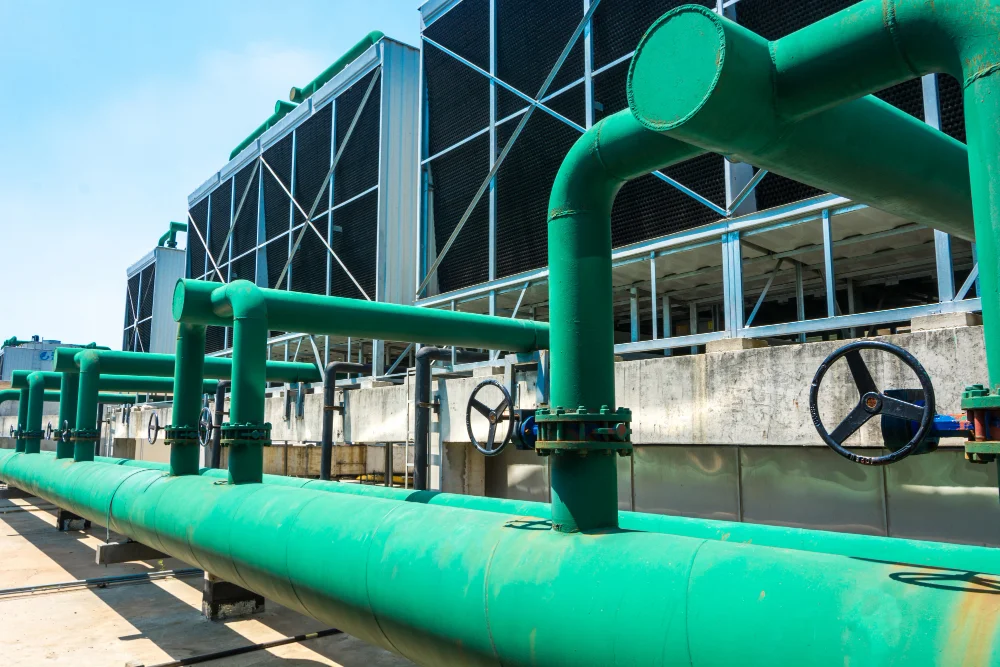
- Cooling Water Systems: Water lines in power plants get clogged by rust. Inhibitors keep the pipes clean and clear.
- Oil and Gas Pipelines: Raw crude oil carries moisture and sulfur. Chemicals protect the inside of pipelines from deep pitting.
- Boiler Feed Water: High heat speeds up rust. Adding inhibitors to boiler water protects steam components.
- Metal Processing: Metal parts receive a chemical rinse during manufacturing to stop rust during storage.
Essential Industrial Corrosion Protection
Every factory needs a solid plan for industrial corrosion protection to safeguard its assets. Rust does not just look bad. It weakens structural steel and ruins heavy machinery. Applying the right chemical treatments prevents sudden structural failures and keeps workers safe.
Using modern protection methods cuts down your yearly maintenance bills. It allows machines to run longer without needing replacement parts. Regular chemical testing ensures your metal tanks and pipes stay free from rust patches.
The Role of Anti Corrosion Chemicals
Premium anti-corrosion chemicals are a great choice for plumbing and cooling systems. They optimally adapt to different liquids such as water, oils, or acids. Changing the surface chemistry of the metal, these chemicals prevent oxygen from reacting with it.
These chemicals work well in closed heating and cooling systems. Investing in quality chemicals prevents tiny leaks that often cause major plant shutdowns.
Choosing Corrosion Inhibitor Suppliers
If you operate in the Middle East, finding reliable corrosion inhibitor suppliers in UAE is crucial. The high salt content in the air creates a massive risk for rapid rust. Local suppliers understand these specific climate challenges and provide the exact chemical grades needed for high-heat environments.
Working with an expert local partner gives you access to custom chemical blends. They analyze your water system and recommend the perfect dosage. This targeted support keeps your industrial operations running at peak performance without rust delays.
Key Industries That Rely on Rust Prevention
1. Water Treatment Plants
Water facilities handle millions of gallons of water daily. They use chemical inhibitors to stop pipes from rusting out from the inside. This practice keeps water clean and extends the life of underground municipal pipes.
2. Chemical Processing Units
Chemical plants handle acids that eat through standard steel very fast. They mix specialized inhibitors into their product streams. This step shields expensive storage tanks and mixing vats from chemical destruction.
3. Oil Refining and Extraction
Oil fields deal with saltwater, gases, and high pressures. Refineries use chemical injection systems to coat the interior of drill pipes. This continuous protection prevents pipe bursts deep underground.
Different Types of Chemical Inhibitors
- Anodic Inhibitors: These chemicals form a thin protective film on the metal surface to stop the oxidation reaction.
- Cathodic Inhibitors: They slow down the reduction of oxygen to prevent rust from spreading across the metal.
- Mixed Inhibitors: These solutions protect the metal by blocking both reactions at the same time.
Conclusion
Managing rust is a continuous challenge for modern factories. Understanding diverse corrosion inhibitor uses allows you to protect your machinery from quiet, costly destruction.
Using the right chemical treatments keeps your business safe from unexpected downtime. For premium grade chemical solutions and expert industrial advice, partner with Chemway Chemicals to secure your assets today.
FAQs
1) What are the primary corrosion inhibitor uses in manufacturing?
The primary corrosion inhibitor uses include protecting cooling towers, treating boiler water, and coating oil pipelines. These chemicals form a protective shield on metal surfaces to stop rust.
2) Why should factories use anti corrosion chemicals?
Factories use anti corrosion chemicals to extend the lifespan of their expensive machinery. These fluids prevent rust, reduce maintenance costs, and stop hazardous pipe leaks.
3) How do you maintain industrial corrosion protection over time?
Good industrial corrosion protection requires regular chemical dosing and constant water testing. Monitoring your system ensures the protective chemical film on the inside of your pipes stays fully intact.
4) What are anodic and cathodic inhibitors?
Anodic inhibitors block the oxidation process on the metal surface. Cathodic inhibitors limit the access of oxygen to the metal. Both types work together to slow down the natural rusting process.
5) How do environmental factors affect industrial rust?
High humidity, extreme heat, and salty air accelerate metal rust. Industries in coastal areas require stronger chemical inhibitors to combat these tough environmental conditions.
