
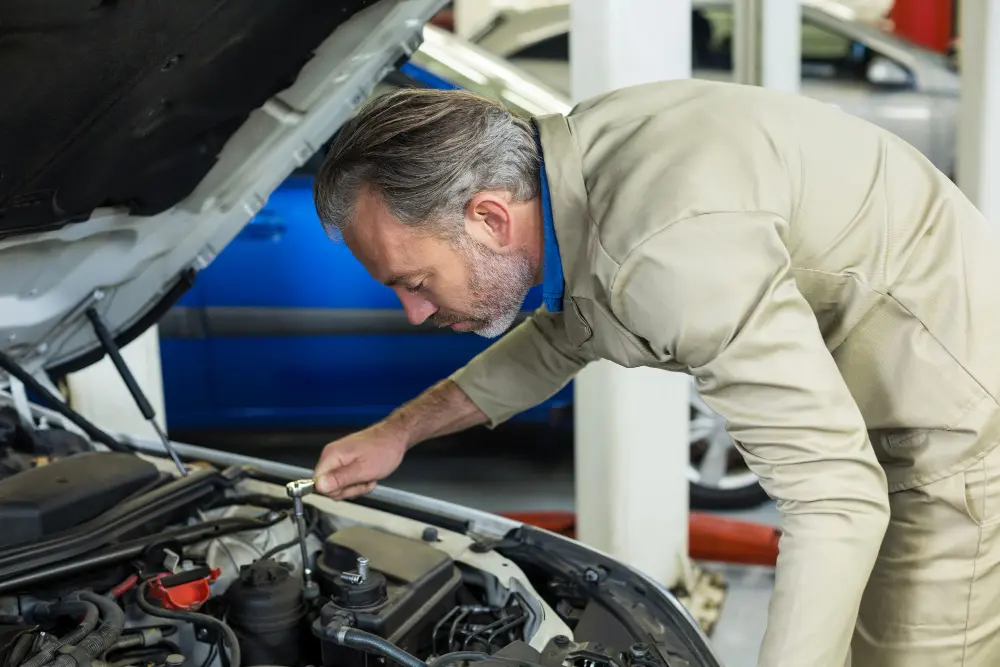
When summer hits the UAE, ambient temperatures easily cross 50°C. Asphalt roads get even hotter, radiating extreme heat back up into your vehicle. Under these intense conditions, your car engine runs under immense thermal stress.
Without the right protective fluid, the water inside your cooling system will boil away quickly. This leads to blown gaskets, warped engine parts, and expensive roadside breakdowns.
To protect your vehicle, you must use an Anti Freeze coolant that regulates internal heat. A premium Engine Coolant keeps your motor running at a safe temperature even during mid-day traffic jams. Maintaining this liquid balance is the only way to save modern aluminum engines from melting under the desert sun.
How Anti Freeze Coolant Works Against Extreme Heat
Many drivers think an Anti Freeze Coolant is only for cold, snowy countries. However, the exact same chemicals that stop water from freezing also raise its boiling point. In the Middle East, the main job of this fluid is to stop the radiator water from turning into steam.
Pure water boils at 100°C. An engine can reach that limit quickly when the outside air is 45°C. Mixing glycol into your system pushes the boiling point past 130°C. This chemical shift provides a vital safety buffer during long highway trips.
Besides stopping boils, this product acts as a reliable Radiator Coolant that lubricates your water pump seals. It coats internal iron and aluminum parts with a thin protective layer. This layer stops rust and blocks tiny air bubbles from eroding the metal surfaces over time.
Why Liquid Balance Saves Gulf Engines
The intense heat of the Gulf region breaks down cheap automotive fluids very quickly. When a car runs all day in high heat, standard tap water evaporates fast. It leaves behind hard mineral flakes that clog up thin radiator tubes. A professional blend stops this buildup from forming.
Key Benefits for Hot Weather Driving
- Keeps Pumps Smooth: Lubricating agents keep internal rubber seals soft so they do not dry out and leak.
- Stops Scale Buildup: It prevents calcium deposits from blocking heat transfer inside the block.
- Prevents Metal Rust: It stops chemical reactions between different metals inside the cooling loop.
- Holds System Pressure: By stopping early boiling, it keeps rubber hoses from bursting under pressure.
Choosing an Engine Coolant for Summer Traffic
A professional Engine Coolant is built to move heat away from hot metal surfaces instantly. When you drive up a steep hill or carry heavy cargo, your engine generates massive internal heat. This fluid absorbs that energy and transfers it to the radiator up to forty percent faster than plain water.
The science relies on sturdy compounds that do not turn acidic when exposed to constant high heat. For local delivery fleets and daily commuters, the right fluid preserves engine power. It keeps the vehicle from knocking or losing fuel efficiency when the weather is at its worst.
The Value of a Strong Radiator Coolant
A high-grade Radiator Coolant forms a shield against inner rust and pump wear. Fast-moving fluid can create tiny vapor bubbles that pop with great force. These tiny explosions pit aluminum parts over time. A good fluid cushions these pops and protects the pump blades.
Without this chemical protection, thick rust scale fills the narrow channels around your engine cylinders. This restriction slows down fluid flow. Your car will run hotter and hotter until the engine fails completely on the highway.
Sourcing Verified Fluids in the Emirates
Because the local climate is uniquely harsh, using cheap or unverified fluids can ruin your motor. Local truck fleets and repair shops must use products made for regional heat. Buying from a certified anti freeze coolant supplier in UAE ensures your fluid matches Gulf weather specifications.
Industrial grades contain special stabilizers that keep the glycol from breaking down. When cheap fluids fail, they turn into acid. This acid eats through hoses and seals, causing sudden fluid loss and rapid engine destruction.
Practical Maintenance for UAE Driving
To keep your car safe when the summer peak hits, follow a strict inspection routine. Do not just look at the fluid level. Check how the parts handle the stress. Cooling System Check
- Start the Check:
Make sure the engine is cold before you touch any parts.
- Check the Fluid:
Look at the fluid level and color.
- Muddy or brown? Flush the system now.
- Clean? Move to the next step.
- Check Hoses and Cap:
Inspect the hoses and the radiator cap.
- Hard or cracked? Replace the parts.
- Good condition? Move to the final step.
- Finish:
Your system is clear. The engine runs cool and safely.
Four Steps for Summer Prep
- Check the Tank Weekly: Look at the plastic tank when the engine is cold. The fluid must sit between the lines.
- Squeeze the Hoses: Check the thick rubber tubes. If they feel brittle or too soft, change them before they split open.
- Inspect the Pressure Cap: The radiator cap keeps the system tight to raise the boiling point. Replace it if the rubber seal tears.
- Flush Every Two Years: Drain the old fluid every 40,000 kilometers. This step ensures the anti-rust chemicals stay strong.
Quick Guide to Fluid Performance
High Boiling Point Stops liquid from boiling at 100°C, keeps the engine safe in 50°C weather.
Anti-Rust Blend Stops scale inside aluminum blocks. Keeps narrow fluid paths clear.
Bubble Protection Cushions the impact of popping vapor. Protects water pump blades from wear.
Low-Foam Base keeps fluid in tight contact with metal. Moves heat out of the motor fast.
Conclusion
Beating the intense desert heat requires high-quality vehicle maintenance. Using a premium Anti Freeze Coolant ensures your car stays running, efficient, and safe from internal rust. For durable chemical blends made for the hardest conditions, choose the proven product line from Chemway Chemicals.
FAQs
1) What does an anti freeze coolant do for a car in summer?
An anti freeze coolant raises the boiling point of the water in your motor. This stops the liquid from turning into steam and saves your engine from overheating. It protects metal from rust.
2) How often should I change my engine coolant in the UAE?
You should flush your engine coolant every two years. Severe desert heat destroys the protective additives inside the fluid over time. Fresh fluid prevents sudden breakdowns.
3) Can I add regular water to my radiator coolant?
No. You must mix clean distilled water with your radiator coolant in a half-and-half blend. Regular tap water contains minerals that clog the system. Minerals always cause massive blockages.
4) Why is my car overheating if the fluid tank is full?
You might have a broken thermostat, a leaking cap, or trapped air blocks. The fluid itself might be too old to move heat away anymore. A broken pump destroys engines.
5) What happens if I use cheap cooling fluid?
Cheap fluids can turn into acid under high heat. This destroys your rubber seals, creates thick sludge, and causes severe engine damage. Repairs will cost a lot of money.
